29/05/26
Screening Programme: Fictioning and the Posthuman Imaginary
Curated by Katherine Waugh
Friday 29th May
6-8.30pm
Pallas Projects presents a screening programme bringing together works by seminal UK artists David Burrows and Maggie Roberts. Curated by Katherine Waugh, the programme explores practices operating within the field of “fictioning” - where speculative narrative, philosophy and moving image intersect to reframe questions of intelligence, subjectivity and non-human agency.
Developed in response to Mark Cullen’s Prototypes for Cyborgs – A Space Opera (Regional Cultural Centre, Letterkenny, 2025), the programme includes selections from recent film works originating in that exhibition, alongside invited contributions.
The evening opens with screenings from all three practices, followed by a discussion between the artists and curator.
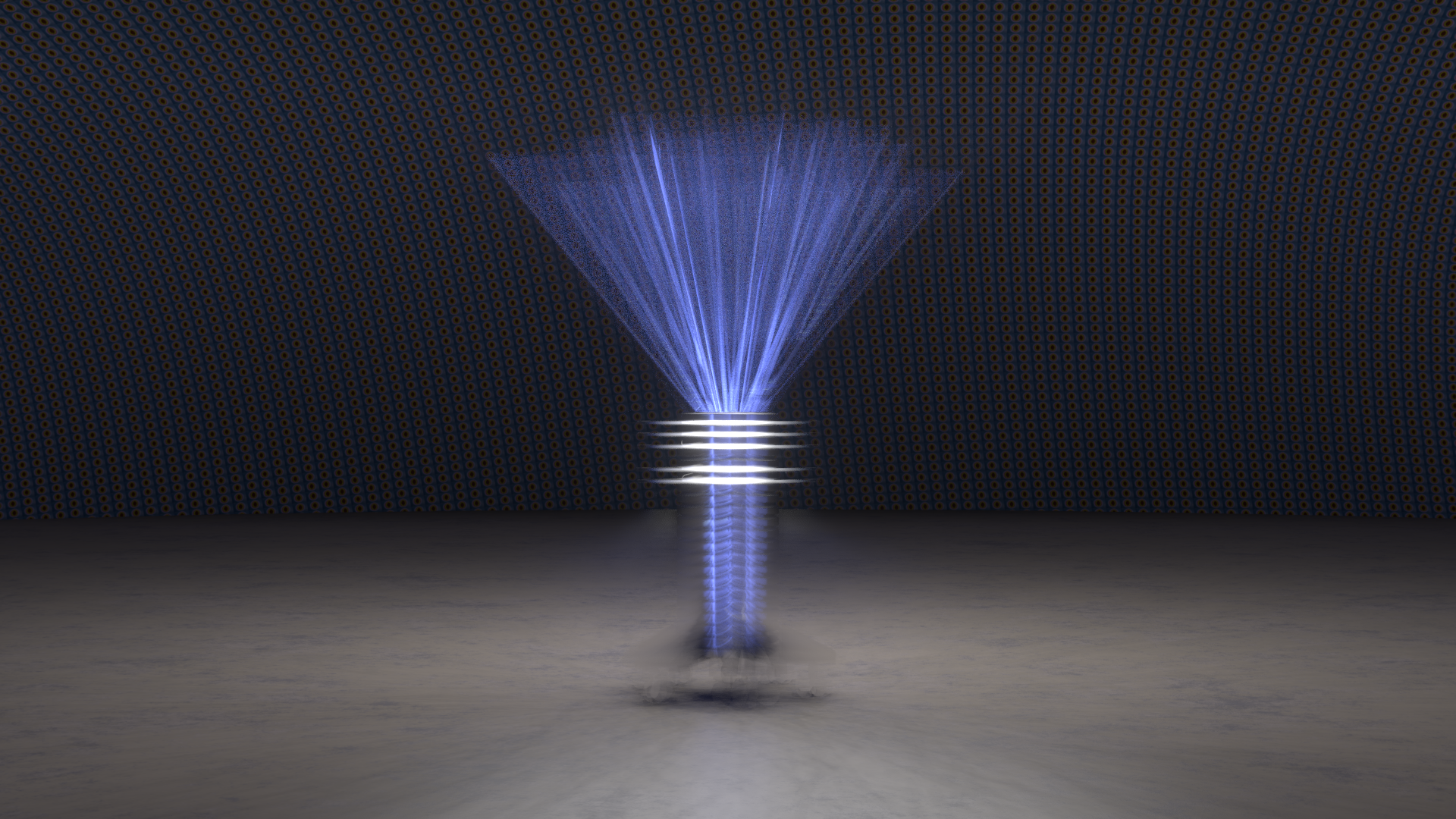
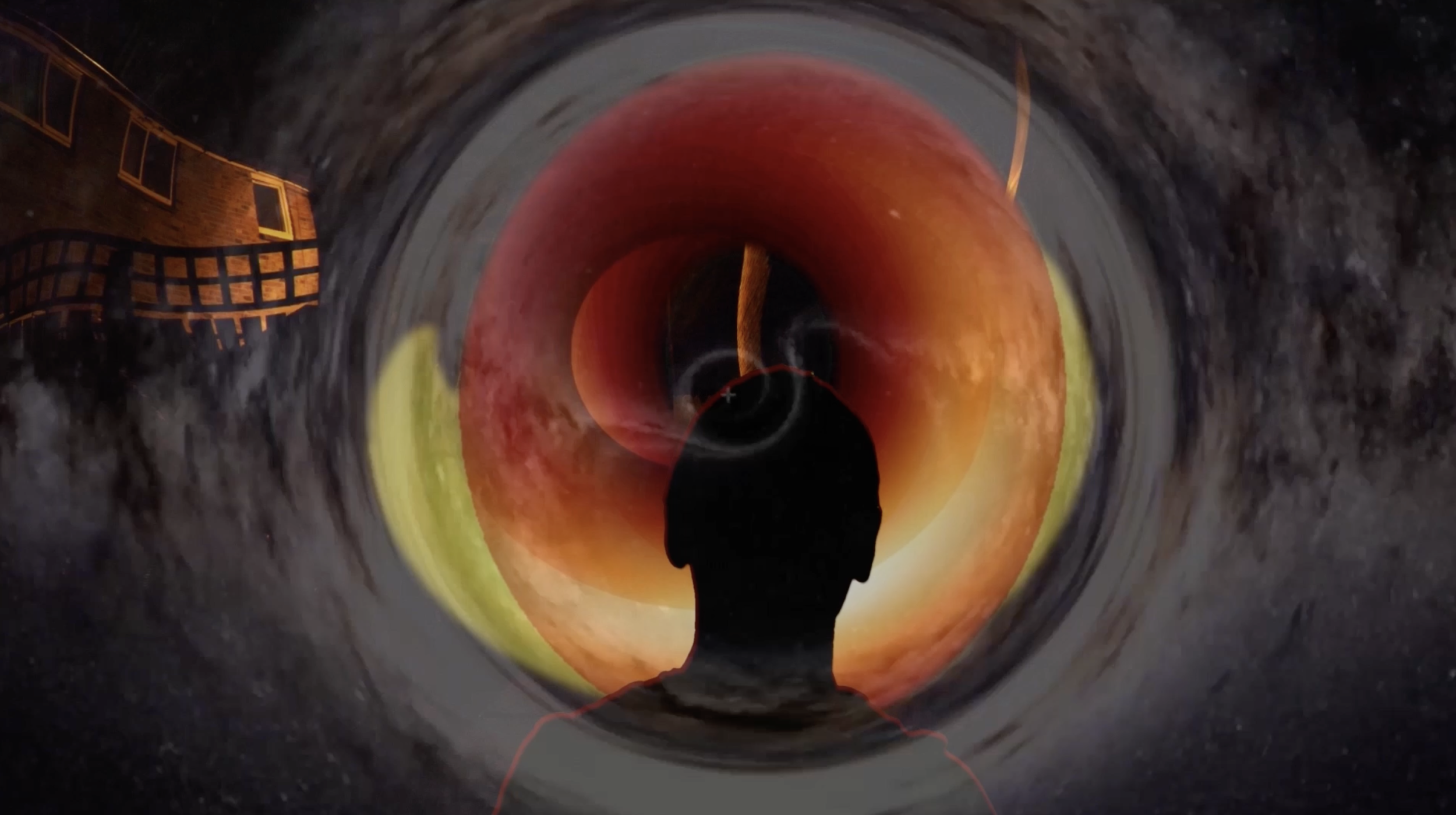
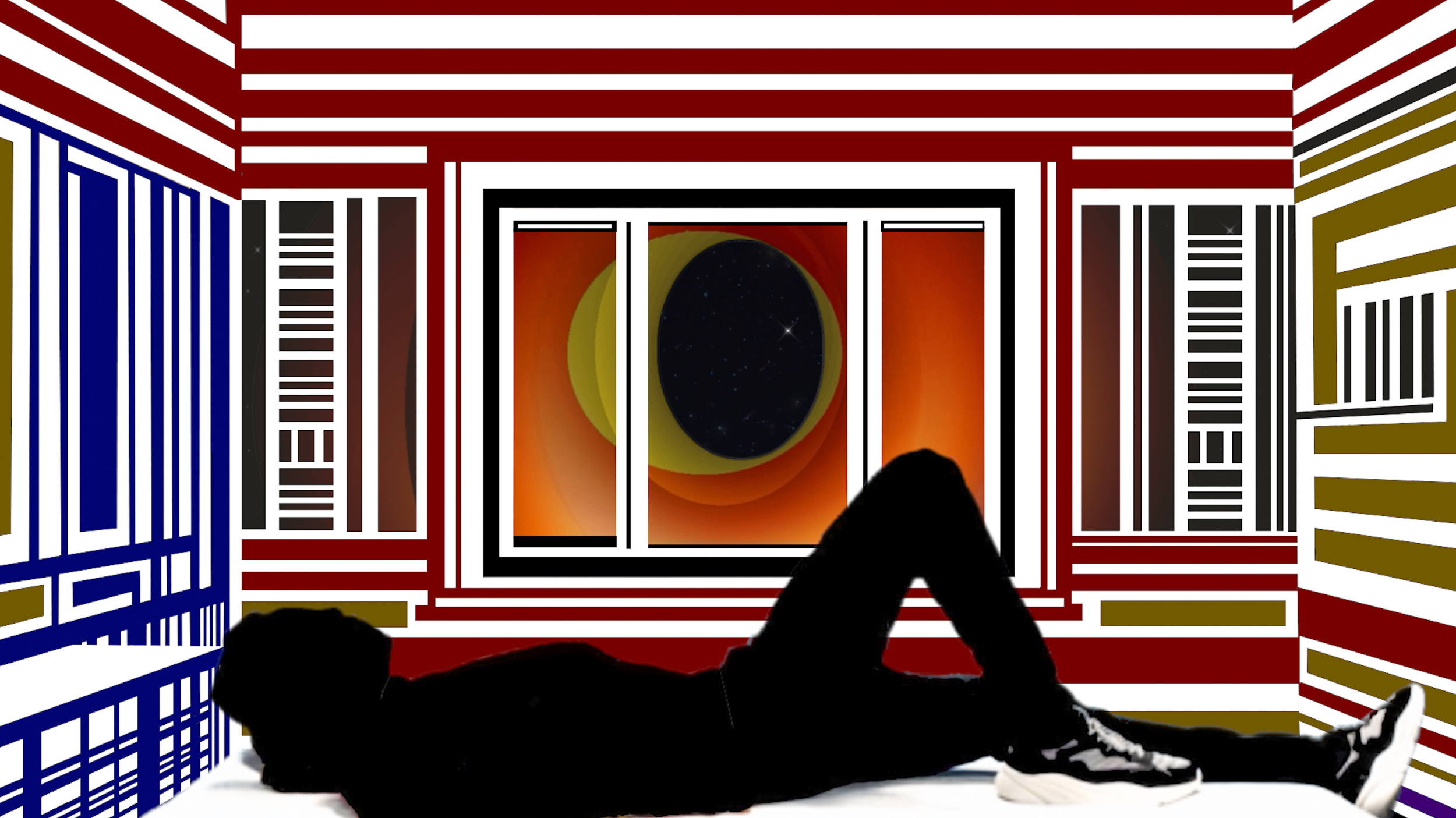
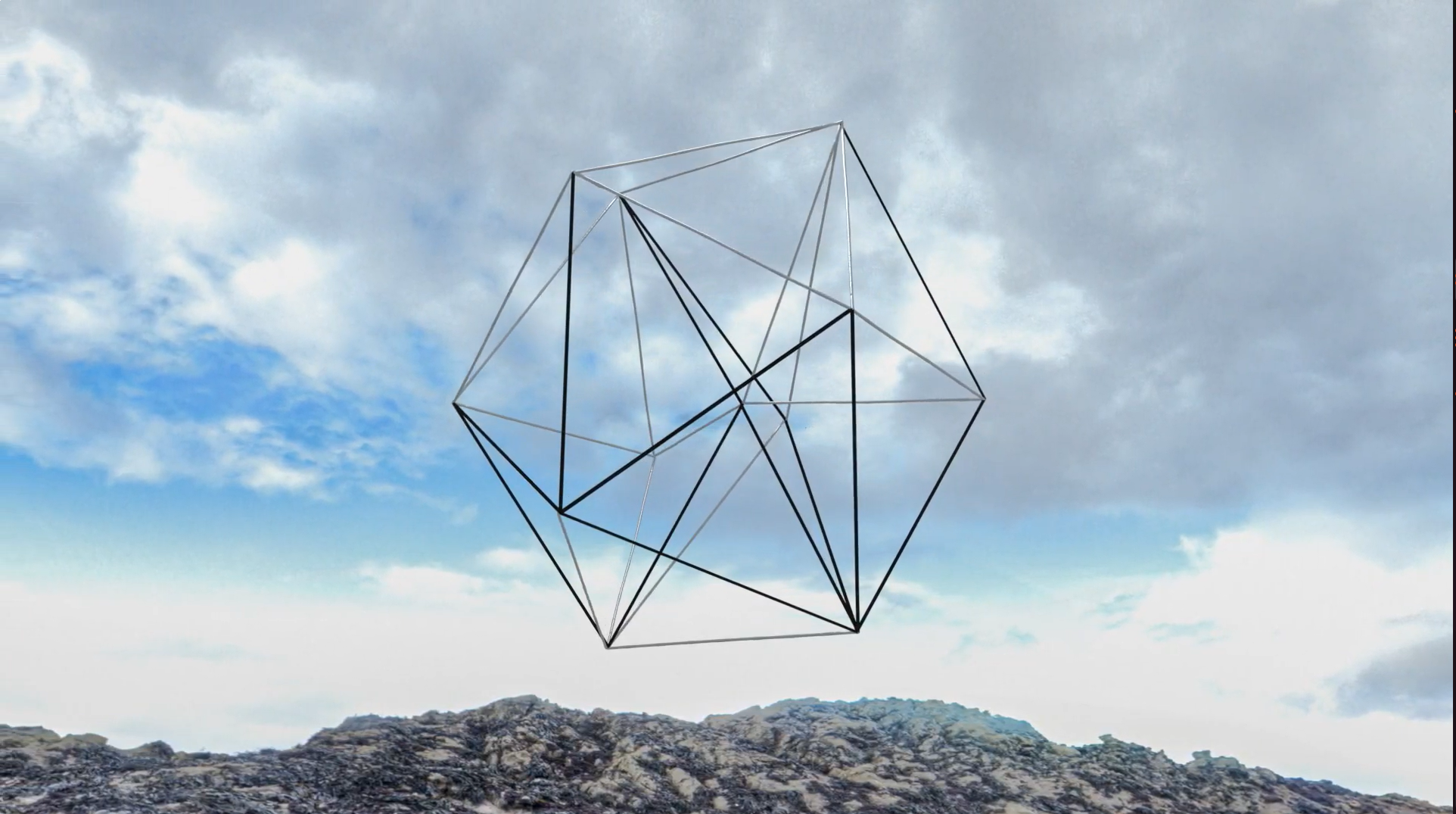
Burrows’ Black Hole Ontology (2025) proposes a destabilised model of being, narrated from the perspective of a sentient black hole (produced when the Hadron Collider was switched on in Switzerland in 2010 in CERN) - an entity that collapses human-centred frameworks of knowledge and perception.
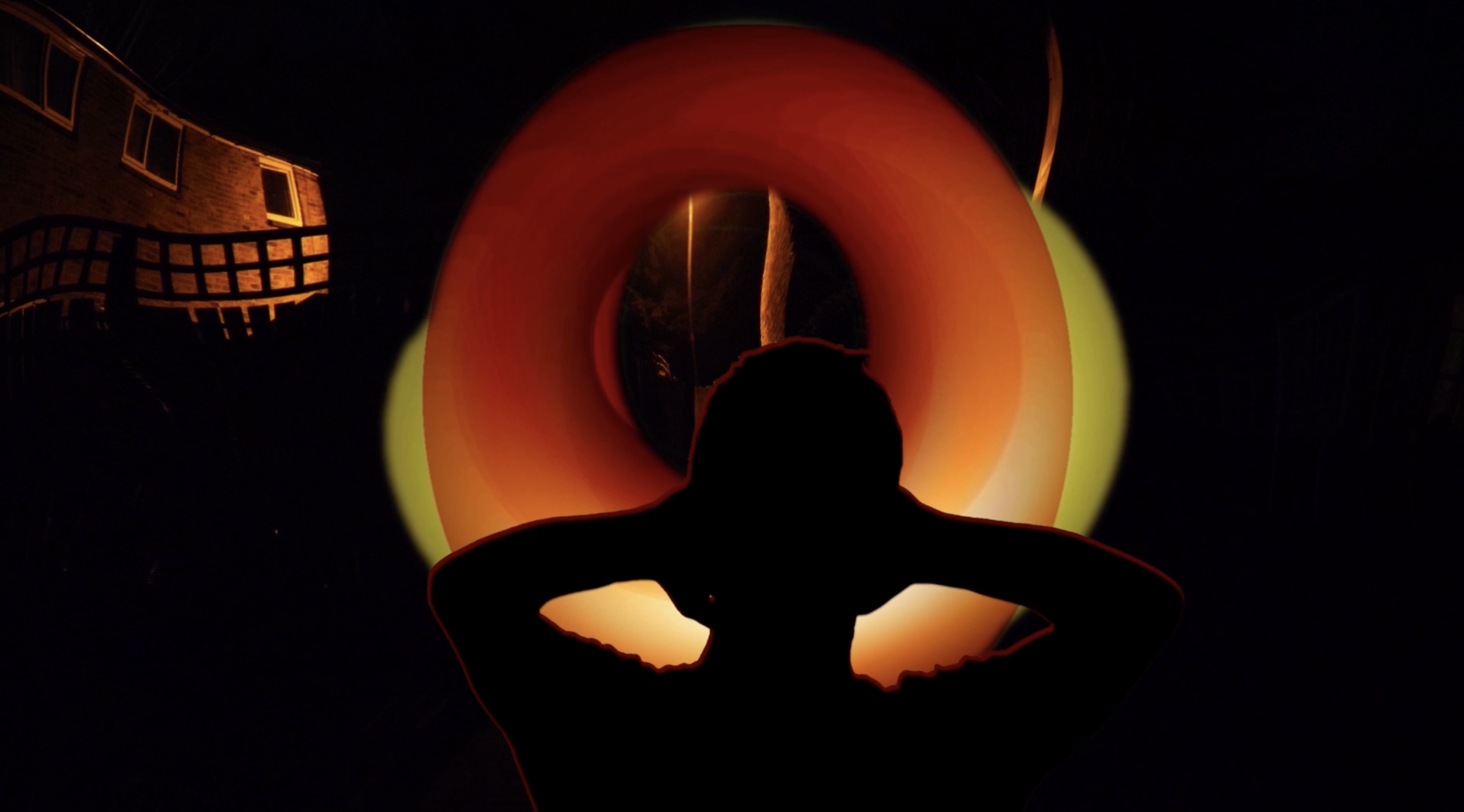
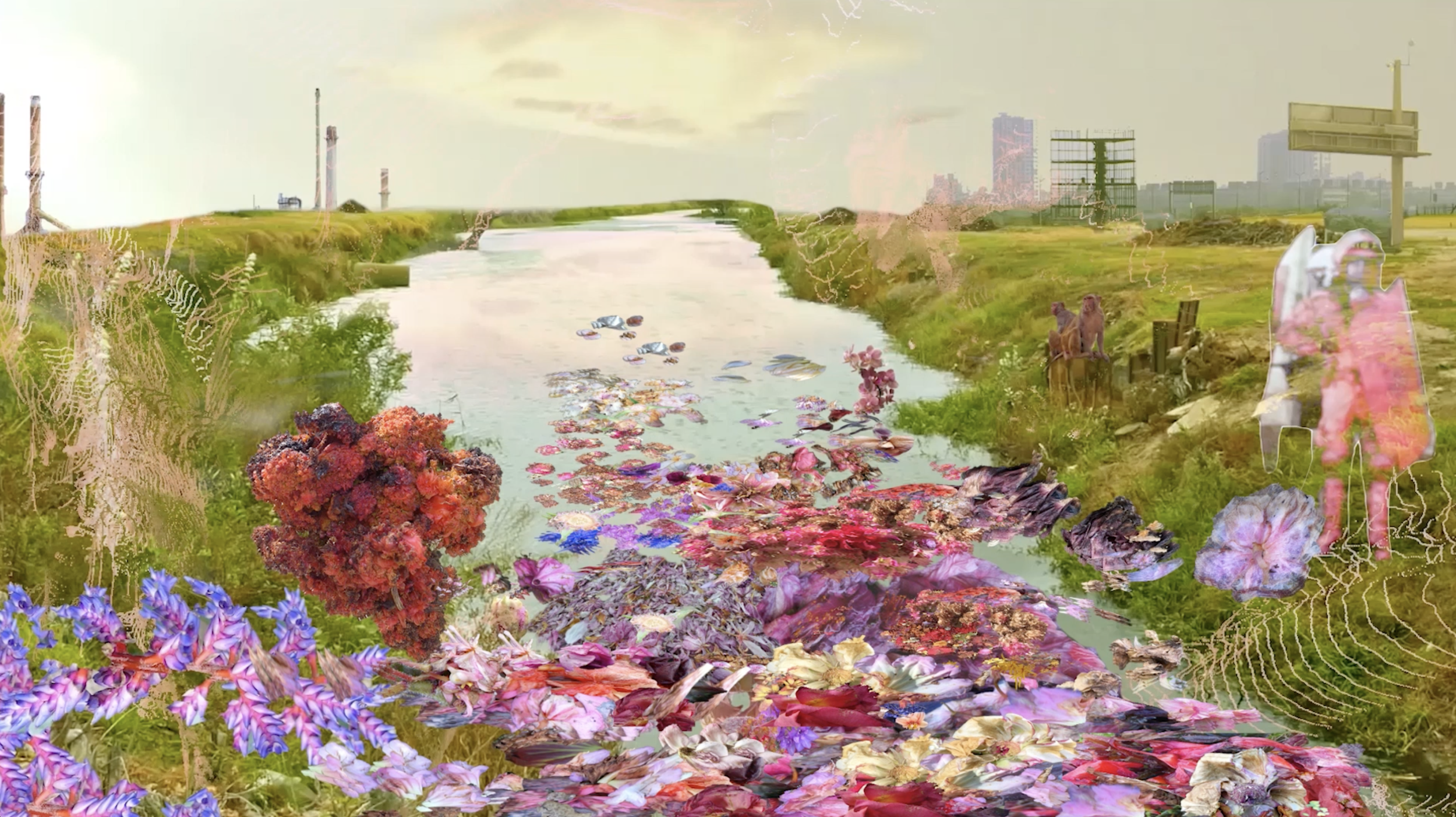
Roberts’ Miasma (2018), developed in response to texts by Reza Negarestani and Mark Fisher, explores distributed forms of communication across matter, where landscape itself becomes an active, networked agent.
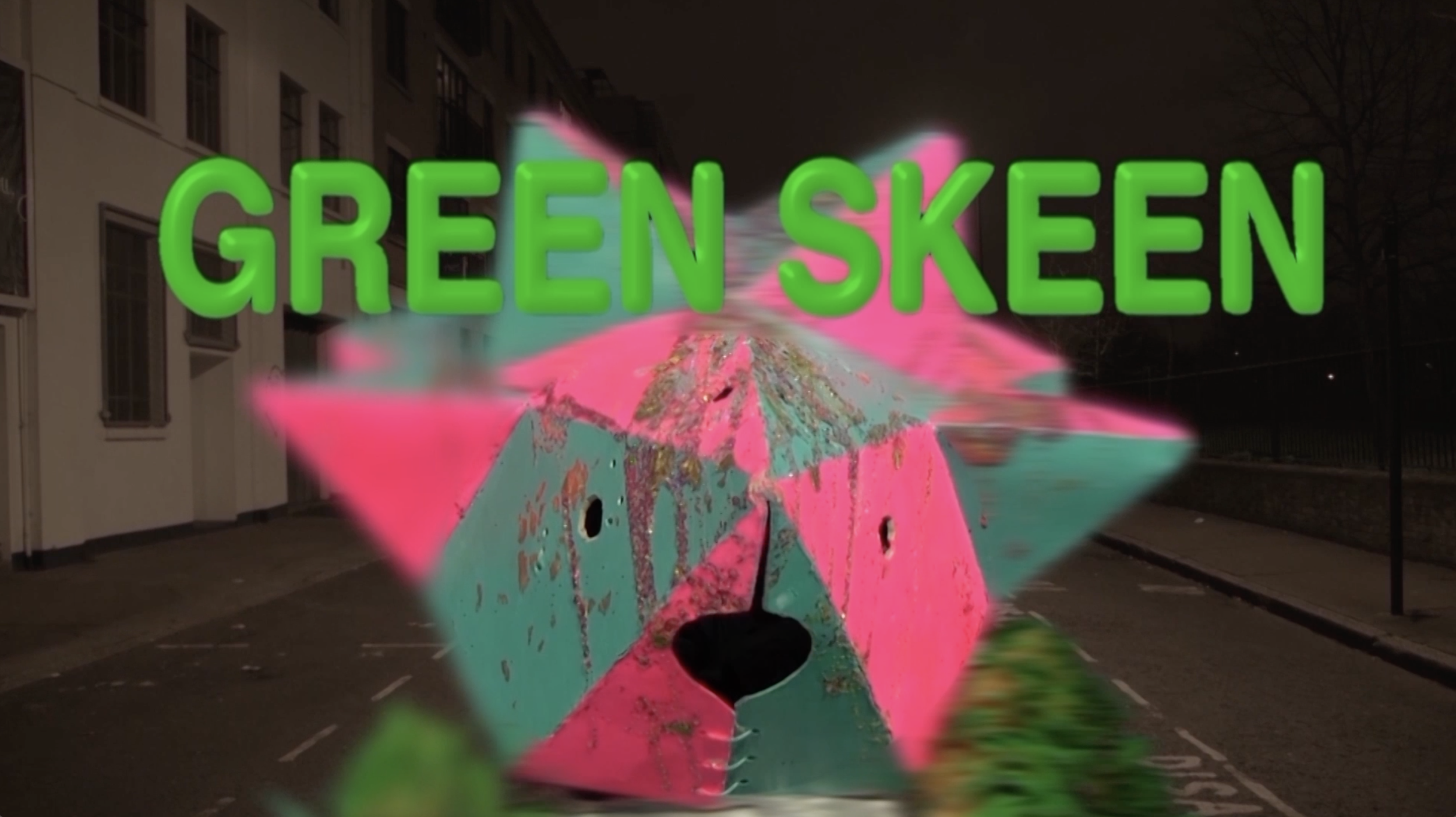
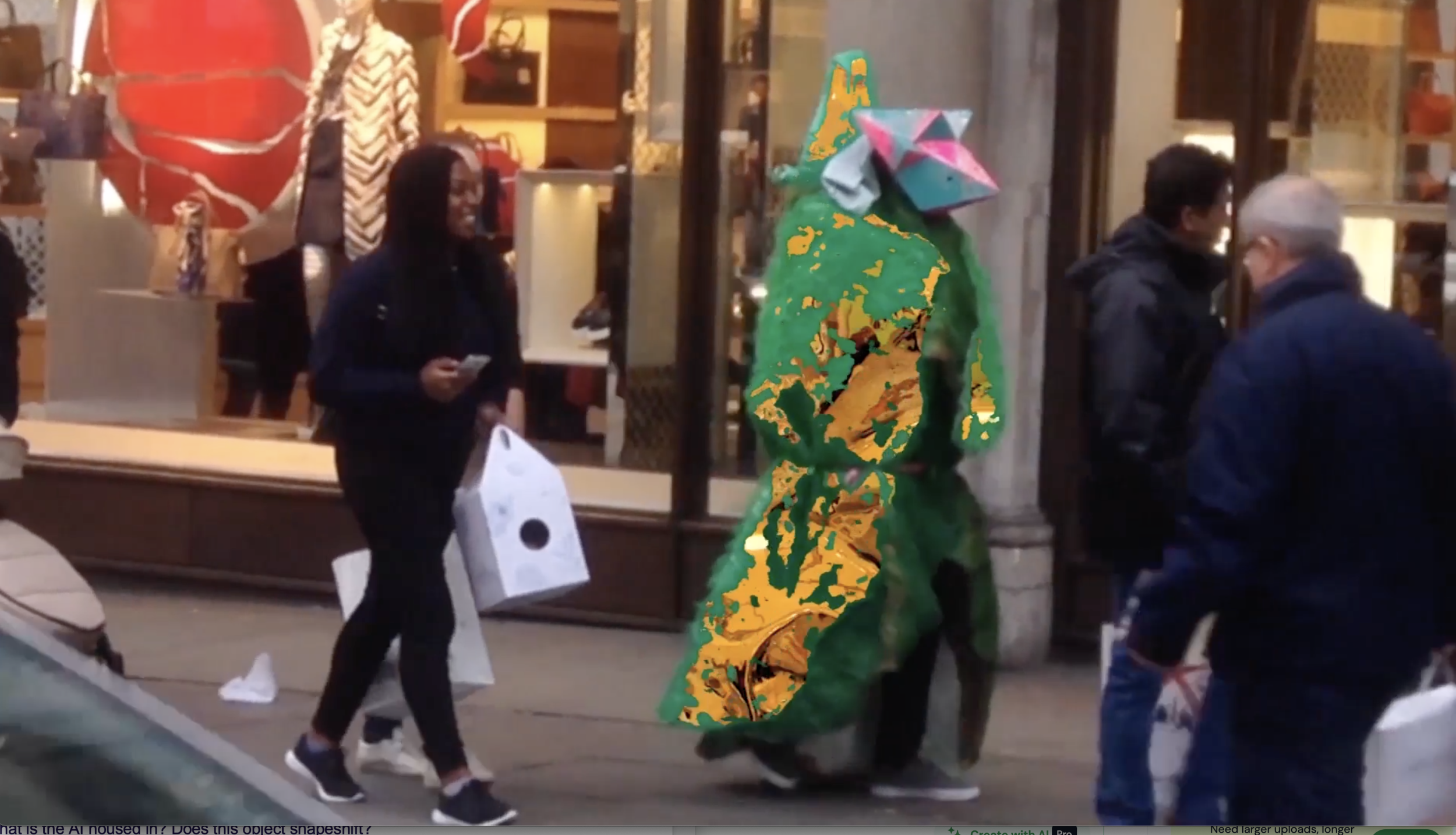
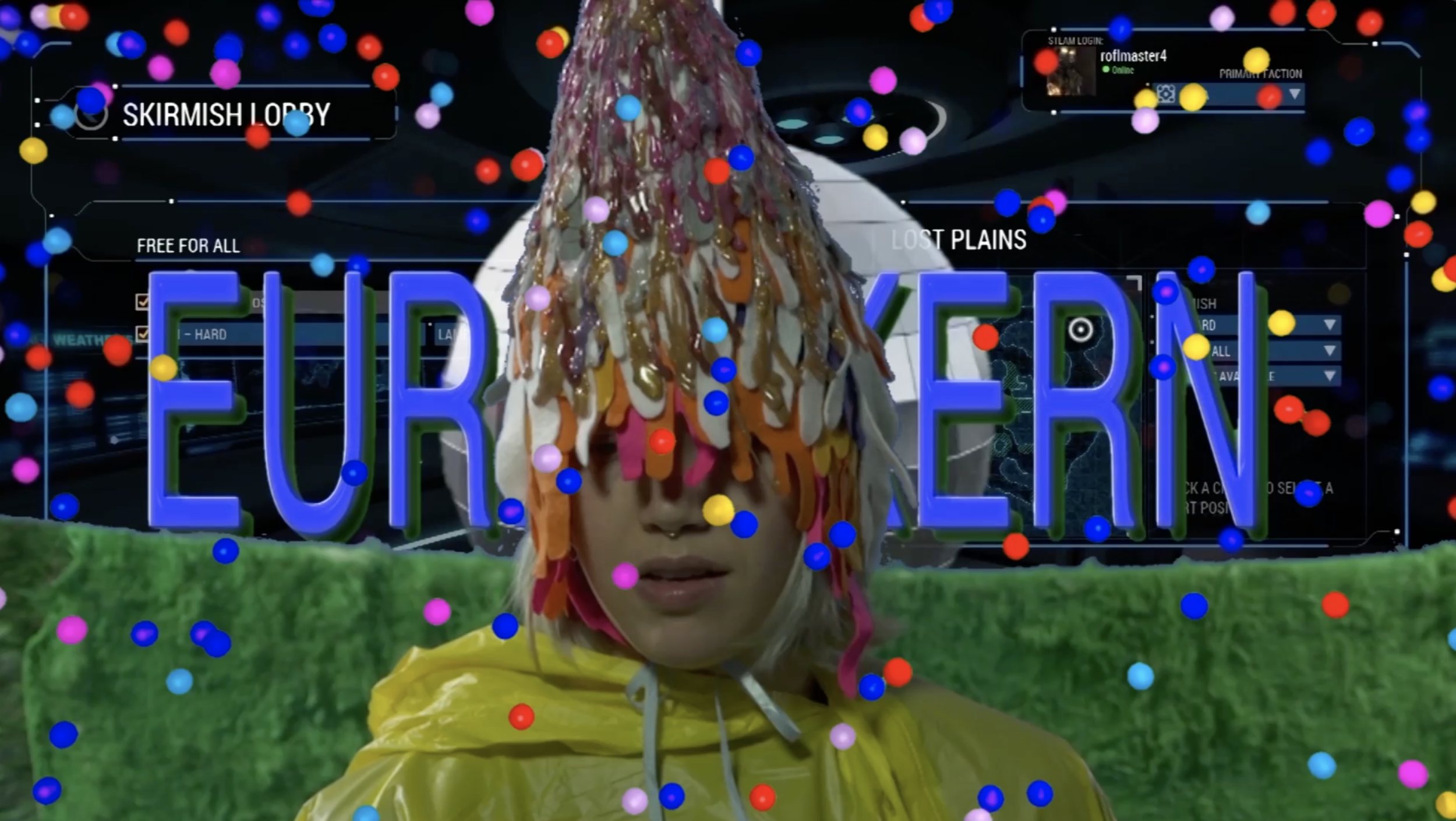
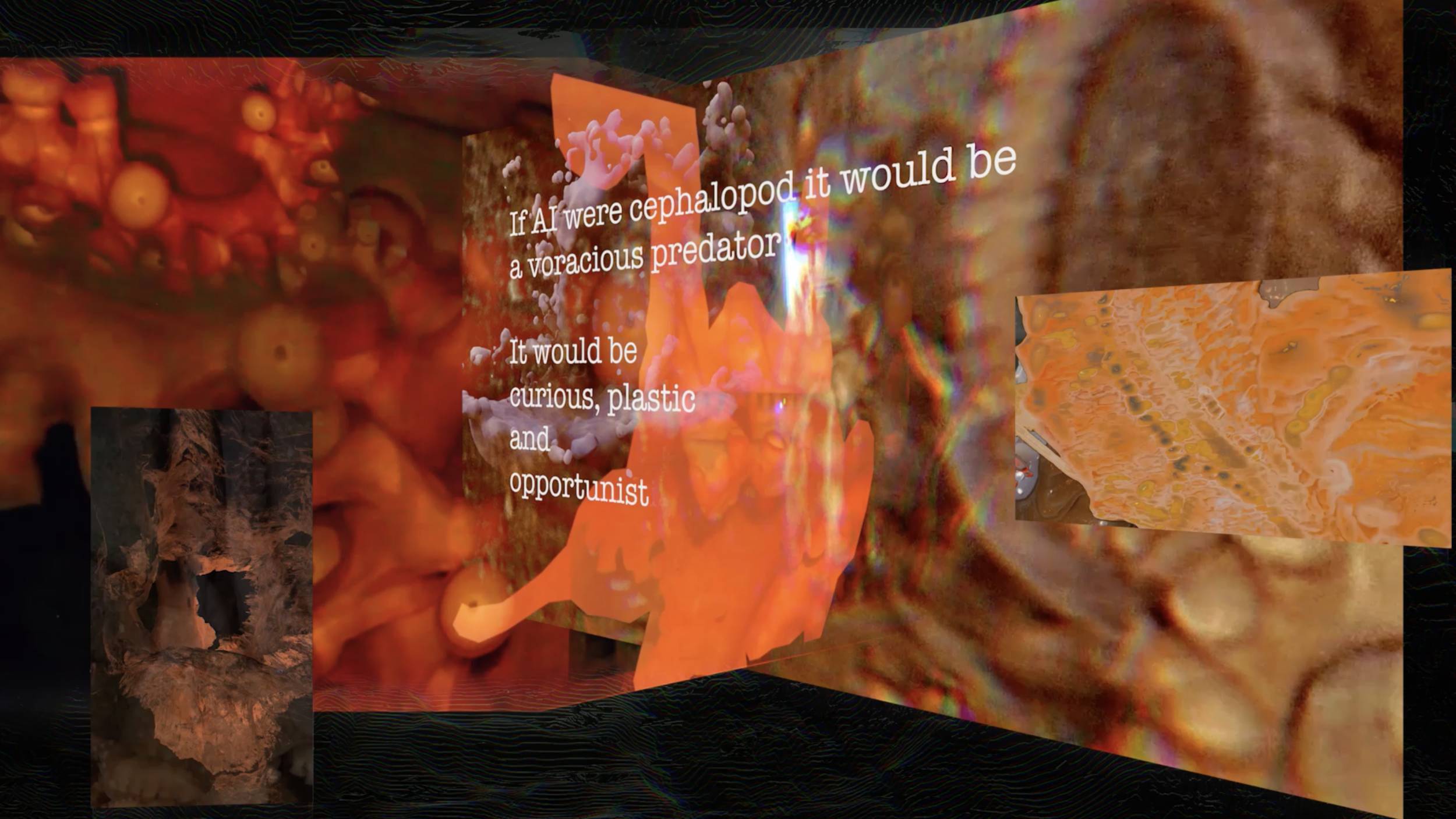
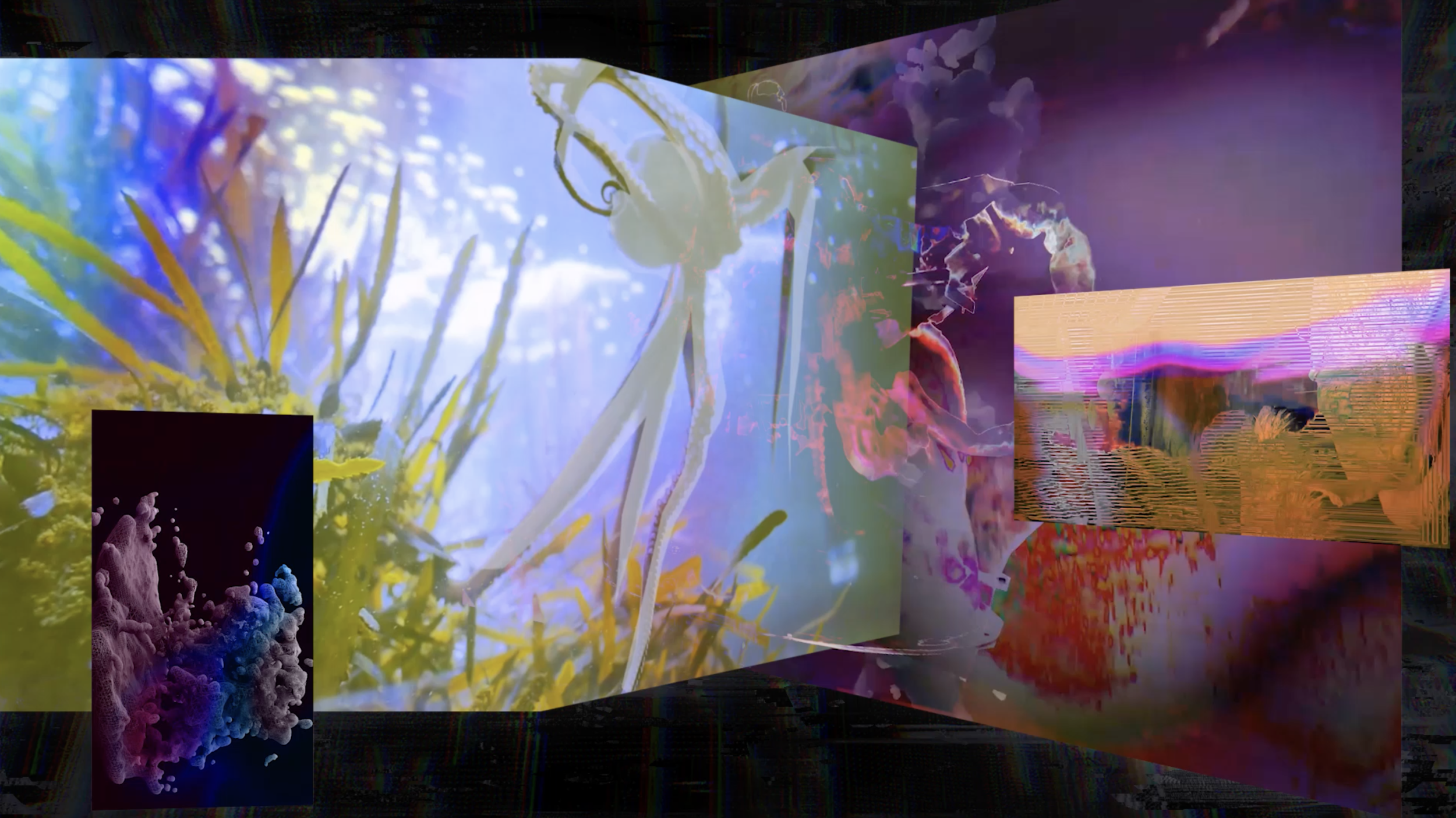
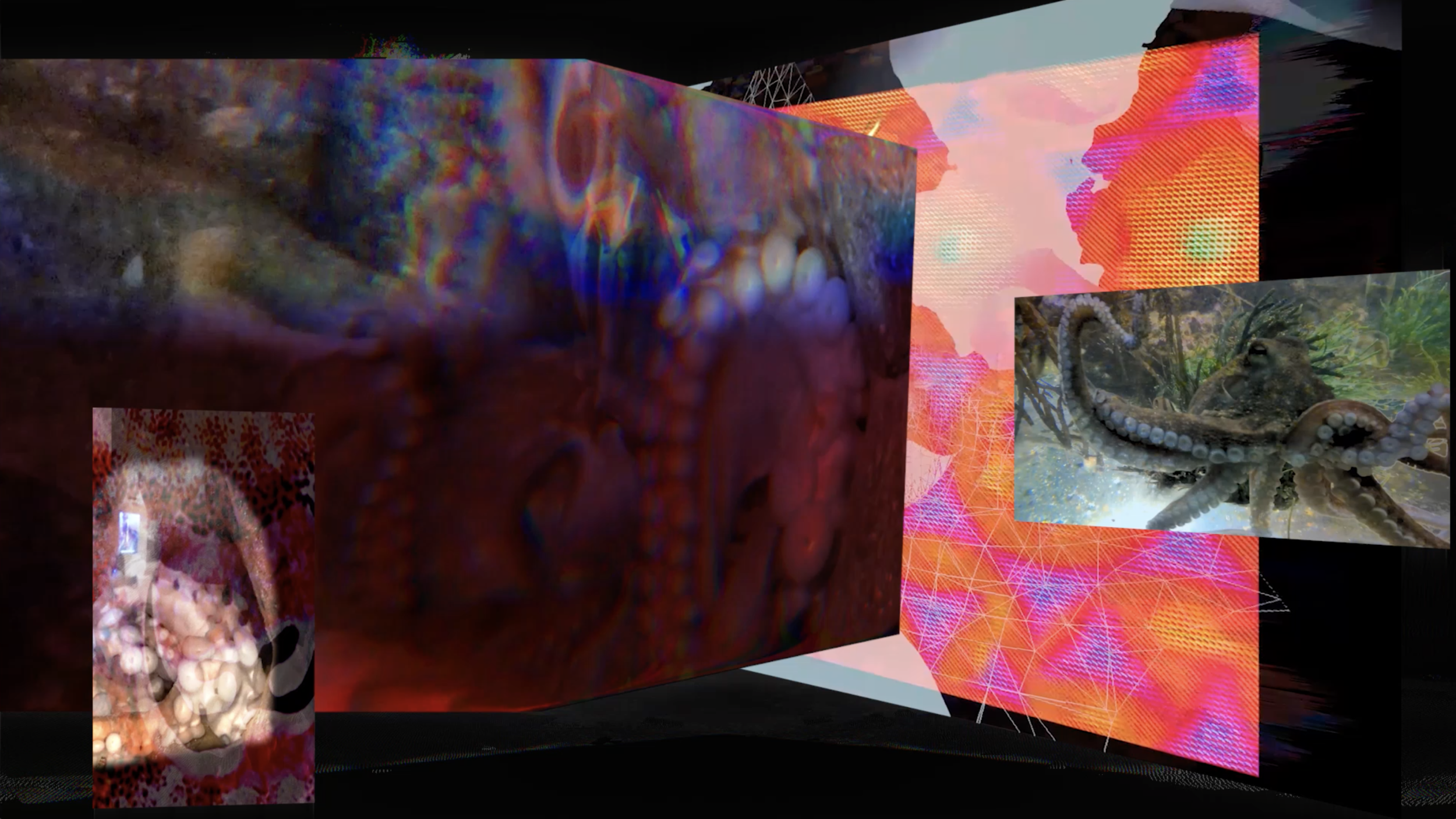
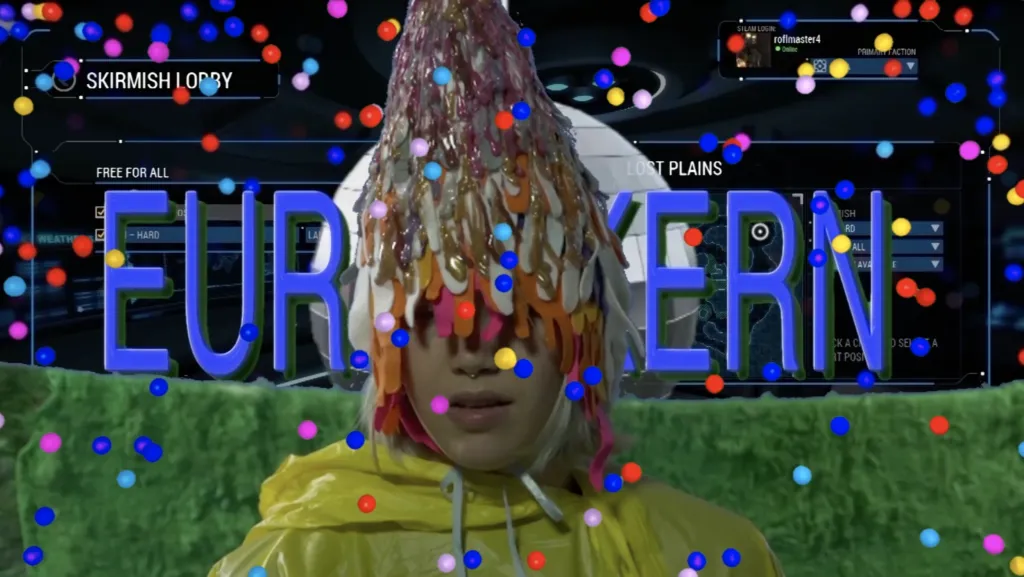
Collaborative works extend these concerns further. Orphan Drift’s If AI Were Cephalopod (2019) reimagines artificial intelligence through the model of octopus consciousness - distributed, adaptive and resistant to predictive control. Green Skeen (2016), a collaboration between Orphan Drift and Plastique Fantastique, unfolds as a ritualised fiction in which techno-animals summon and pursue a speculative entity through urban space.
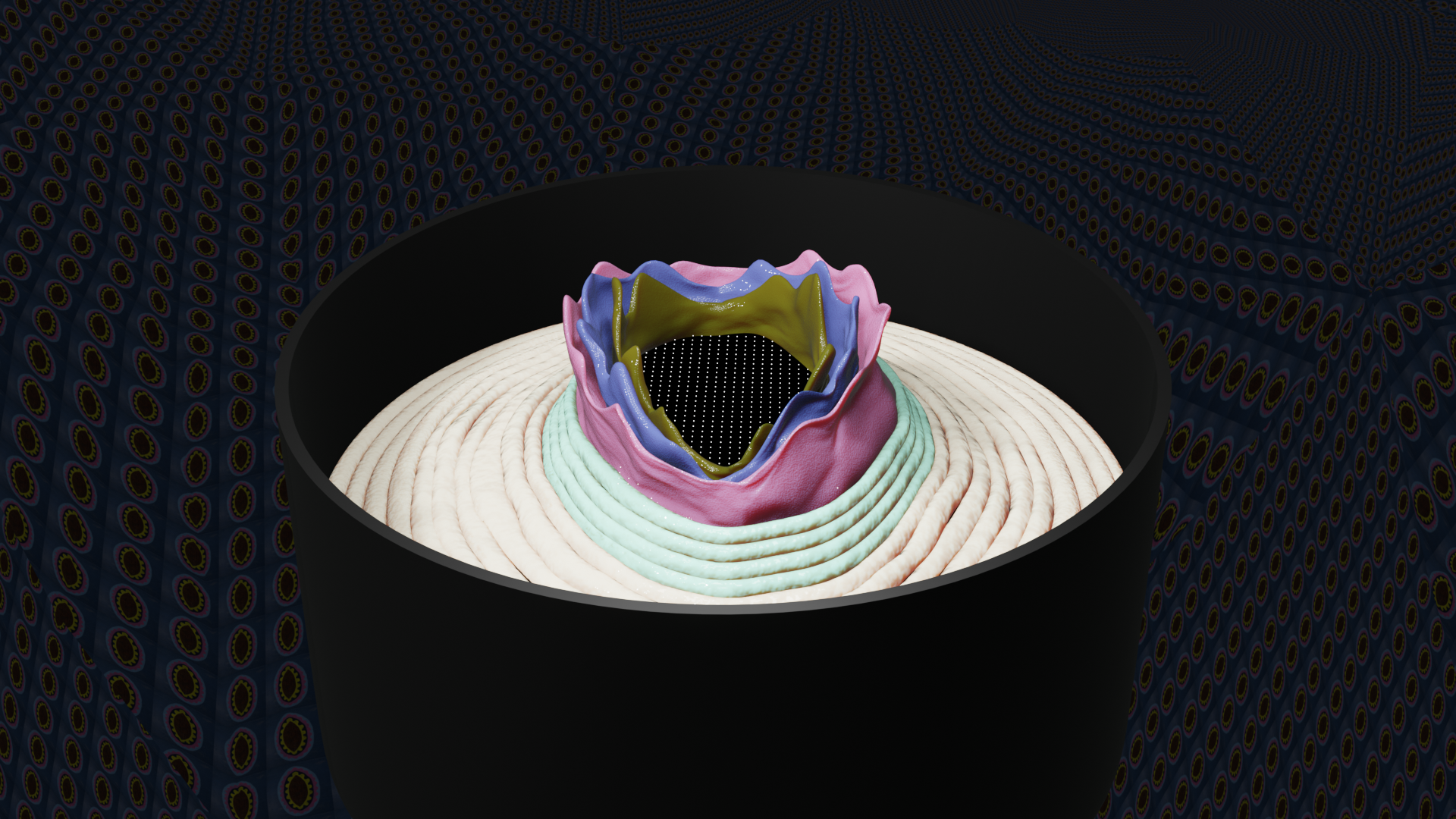
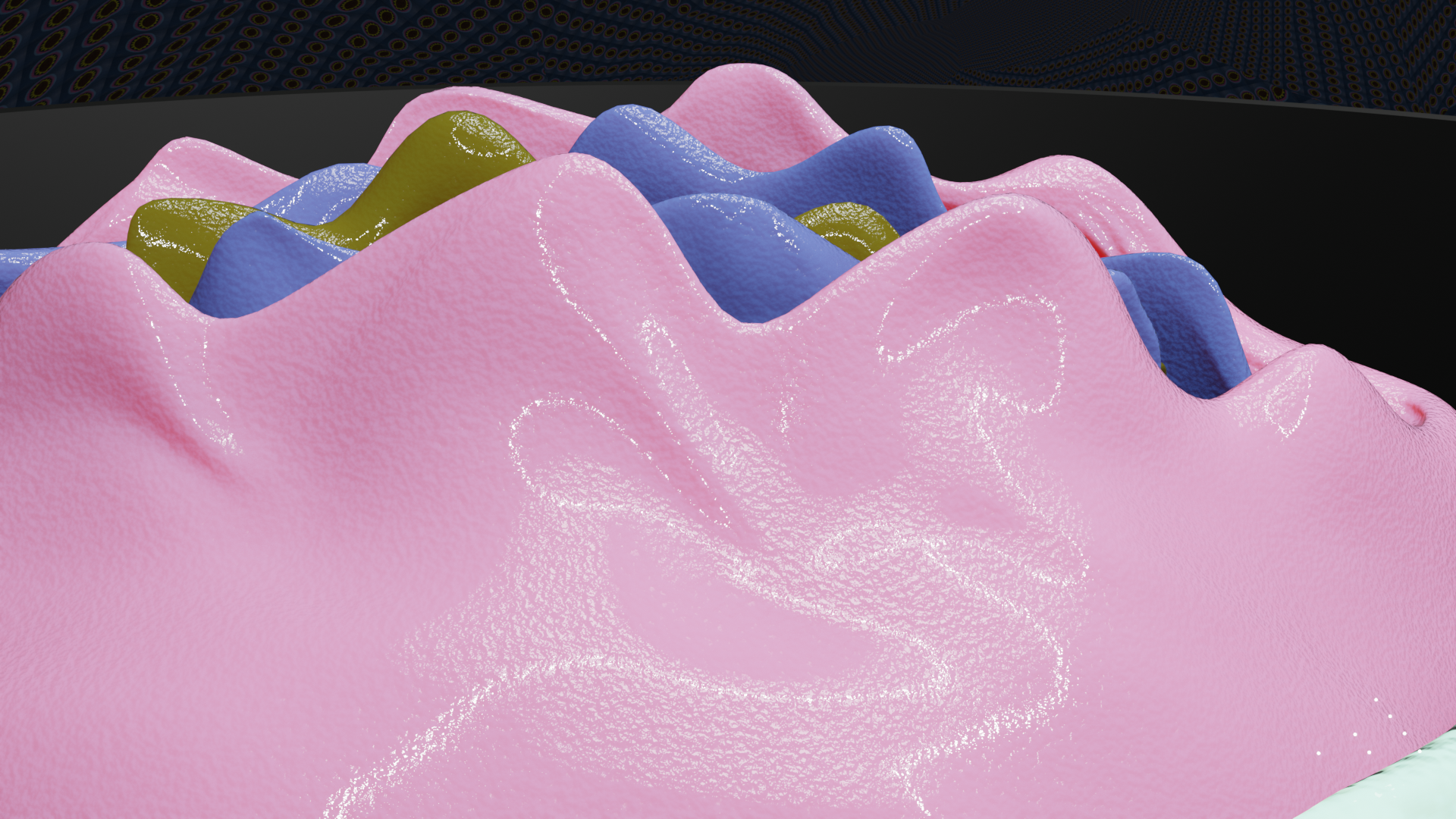
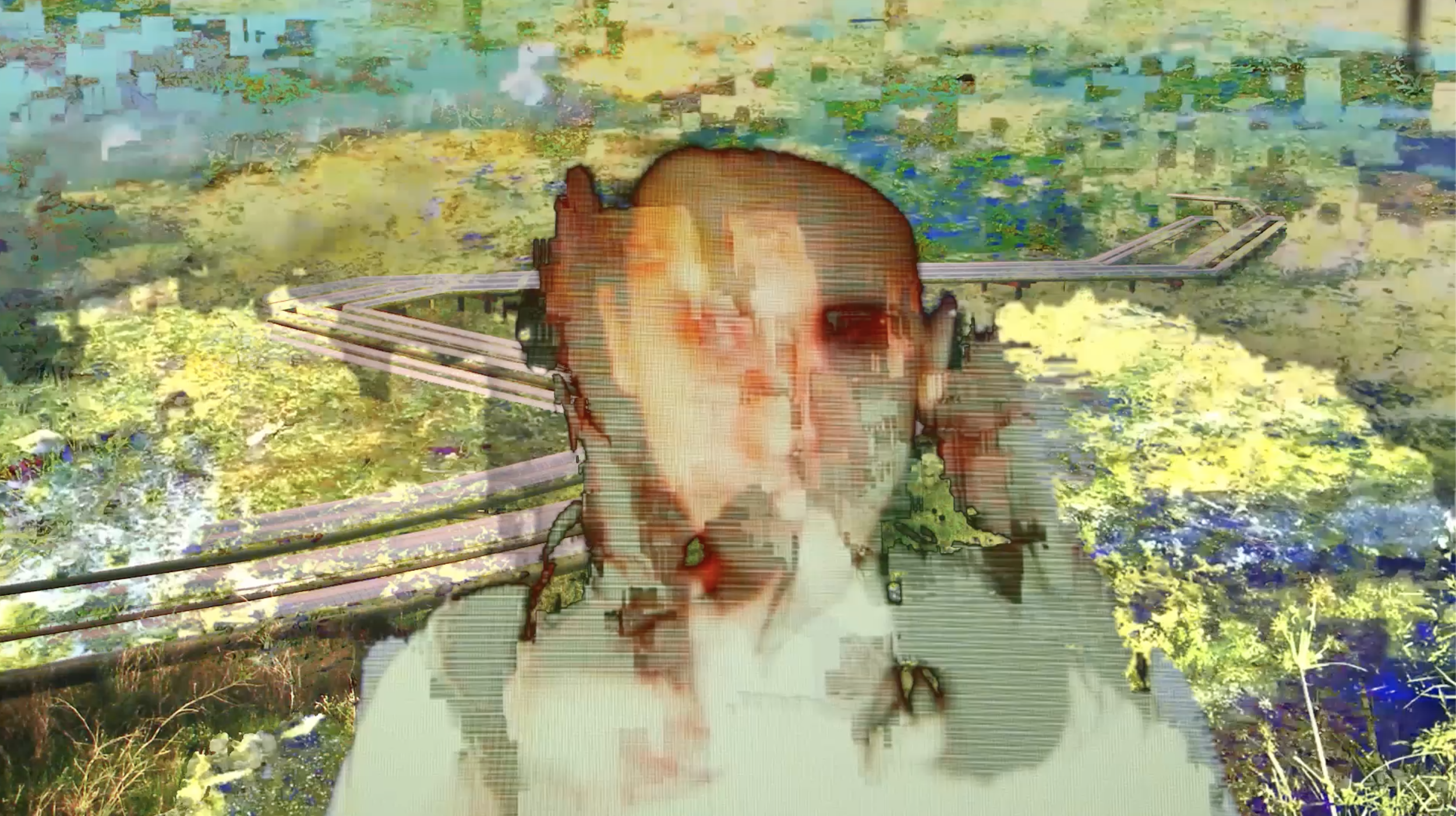
Cullen’s films draw directly from the expanded mythos of his Prototypes for Cyborgs series . Works including Stargate Sheila( 2025), Towards Super-Connection(2024), The Nowhere Belly (2025), and Portrait of an Artist as a Transhumanist(2024) operate as fragments within a larger sculptural and performative system. Across these pieces, cyborg entities, techno-mythic figures and distributed networks challenge human exceptionalism and reposition subjectivity within entangled systems of matter, technology and speculative futures.
The programme reflects a shared set of concerns across the artists’ practices: fiction as method, the collapse of stable identities, and the emergence of alternative models of intelligence and embodiment.
Biographies
David Burrows
David Burrows is an artist and writer based in London, and Professor of Fine Art at the Slade School of Fine Art. His work explores fiction as a transformative process across art, philosophy and the sacred. He is co-author of Fictioning: The Myth-Functions of Contemporary Art and Philosophy (2019) and has exhibited widely, including at the ICA London, Royal Academy, Mori Art Museum Tokyo and Kunsthalle Budapest..
In 2015 he organized Plague of Diagrams at the ICA London: an exhibition and programme of performances, talks and discussions concerning the relationships between diagrammatic practices and thought in different disciplines.
As well as establishing a solo art practice he often works in collaboration. Past collaborations include exhibitions with the artists' group BANK, Bob & Roberta Smith and DJ Simpson.
He is a core member of Plastique Fantastique, a long-running collaborative project producing films, performances and installations that operate between ritual, play and speculative narrative. Plastique Fantastique (a group of human and inhuman avatars) deliver communiqués from the extreme past and future that are baroque, express a subversive urgency and are frequently participatory.
Maggie Roberts
Maggie Roberts is an artist working across video, sound, print and text. Her practice draws on science fictions, evolutionary theory, interspecies becomings and non-human communication systems, often exploring distributed intelligence and machine vision. She is a founding member of Orphan Drift (with Suzanne Karakashian, Ranu Mukherjee and Erle Stenberg) a seminal London-based collective known for immersive, hybrid works spanning video, performance and writing, and for its influence on cyberfeminist and post-structuralist art practices. Its mode of production questioned art world conventions around labour and individual authorship as well as objecthood, preferring site specific, temporary installation and sometimes performative modes of address - though still rooted in visual aesthetics.
0rphan Drift has shown widely, including at Tate Modern, Hayward Gallery and Cabinet Gallery, and contributed cybervisuals to Steven Spielberg’s AI and Minority Report, as well as to world tours by Leftfield and Nine Inch Nails.
Mark Cullen
Mark Cullen is an Irish artist working across sculpture, film, installation and performance. His work explores post-anthropocentric futures, speculative systems and techno-mythic forms, often merging speculative philosophy with material experimentation and combining architecture, sound, light and moving image within expanded sculptural environments. Drawing on science fiction, cybernetics, philosophy and underground visual culture, his practice repositions human subjectivity within wider ecologies of technological and biological entanglement.
Recent projects include Prototypes for Cyborgs – A Space Opera at the Regional Cultural Centre, Letterkenny (2025), developed in collaboration with composer and sound artist Tadhg Kinsella, digital artist Tadhg Ó Cuirrín, interactive systems designer Paul Green and lighting designer Mick Murray. Earlier iterations of related works have been presented in Berlin and IMMA, including Symphony of The Nowhere Belly. His wider exhibition history includes IMMA, EVA International, Dublin Contemporary, Dublin City Gallery, The Hugh Lane and Villa Croce Museum, Genoa.
He is co-founder and Director of Pallas Projects/Studios, one of Ireland’s longest-running artist-led organisations.